
What are the best things to do in Tokyo?
Tokyo rewards you immediately. Ancient temples sit minutes from record-breaking pedestrian crossings, immersive digital art fills entire buildings, and the food scene carries more Michelin stars than any other city on the planet. Whether you have three days or three weeks, the city delivers something genuinely surprising at every turn.
Here are the experiences that belong on every Tokyo itinerary:
- Senso-ji Temple, Asakusa — Tokyo’s oldest Buddhist temple, free to enter, and most atmospheric before 8am when the crowds are thin and the incense smoke drifts undisturbed through the Kaminarimon gate.
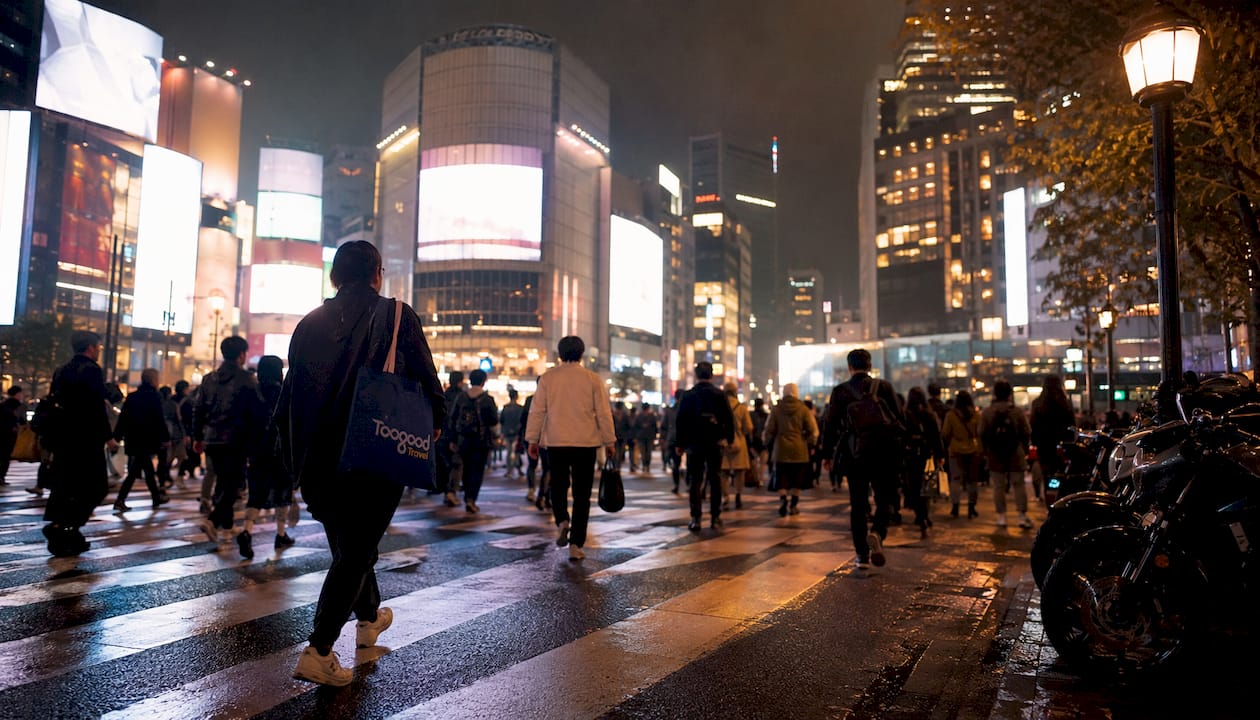
- Shibuya Scramble Crossing — up to 3,000 pedestrians cross per signal cycle, making it the world’s most photographed junction. Watch from street level first, then head to the elevated walkways around Shibuya Station for the full aerial view.
- Meiji Shrine, Harajuku — a large forested area of calm directly opposite Harajuku Station. Entry is free, and the city noise drops away within a minute of passing through the torii gate.
- Takeshita Street, Harajuku — Ten minutes on foot from Meiji Shrine, this narrow lane is the heartbeat of Tokyo’s youth fashion scene. Crepe stalls, vintage shops, and cosplay boutiques pack every metre.
- teamLab Borderless — Large-scale digital art installations that fill entire rooms. Tickets cost around £16 per person and must be booked in advance. Nothing else in the city quite compares.
- Shinjuku Gyoen National Garden — One of Tokyo’s finest parks at a low entry cost. During cherry blossom season it is one of the best-value tickets in the city; in autumn the maples turn spectacular shades of red and gold.
- Tsukiji Outer Market — Stalls open from around 5am, offering fresh sushi, grilled scallops, and tamago-yaki. Budget roughly £5–£8 for a proper breakfast.
- ️ Tokyo Metropolitan Government Building, Shinjuku — The 45th-floor observation deck is completely free and the queue moves quickly. Brilliant views across the skyline at no cost.
- Tokyo Skytree — At 634 metres, it is the tallest structure in Japan. Two observation platforms offer sweeping city panoramas, with the Solamachi shopping complex at the base.
The mix of free and paid experiences is one of Tokyo’s great strengths. You can fill an entire day without spending more than the cost of a park entry ticket.
Which Tokyo neighbourhoods should you stay in?
Tokyo is made up of distinct districts, each with its own personality. Choosing where to base yourself shapes the whole trip.
- Shinjuku — The best base for first-time visitors. Shinjuku Station is one of the world’s busiest transport hubs, putting every major district within easy reach. The area spans a calm national garden at one end and the neon-lit bars of Golden Gai and Kabukicho at the other.
- Asakusa — Older streets, traditional craft shops, and Senso-ji Temple within walking distance. Accommodation here often costs a little less than equivalent Shinjuku options, and the Keisei Skyliner connects directly to Narita Airport.
- Shibuya — Pure spectacle. Stay here if you want to be at the centre of modern Tokyo, surrounded by shopping, rooftop bars, and the iconic crossing on your doorstep.
- Harajuku and Omotesando — Quieter and more upscale, with excellent boutique hotels and easy access to both Meiji Shrine and the high-end shopping of Omotesando.
For travellers with five days or more, including districts like Nakameguro and Yanaka lets Tokyo reveal its quieter layers.
| Neighbourhood | Character | Best for |
|---|---|---|
| Shinjuku | Busy transport hub, contrasting day and night scenes | First-time visitors |
| Asakusa | Historic, traditional, slower pace | Culture seekers, budget travellers |
| Shibuya | Modern, energetic, great nightlife | Shoppers, night owls |
| Harajuku | Fashion, shrines, upscale calm | Couples, repeat visitors |
| Nakameguro | Canal walks, independent cafés, galleries | Extended stays, cherry blossom season |
| Shimokitazawa | Vinyl records, live music, vintage shops | Music lovers, off-the-beaten-track explorers |
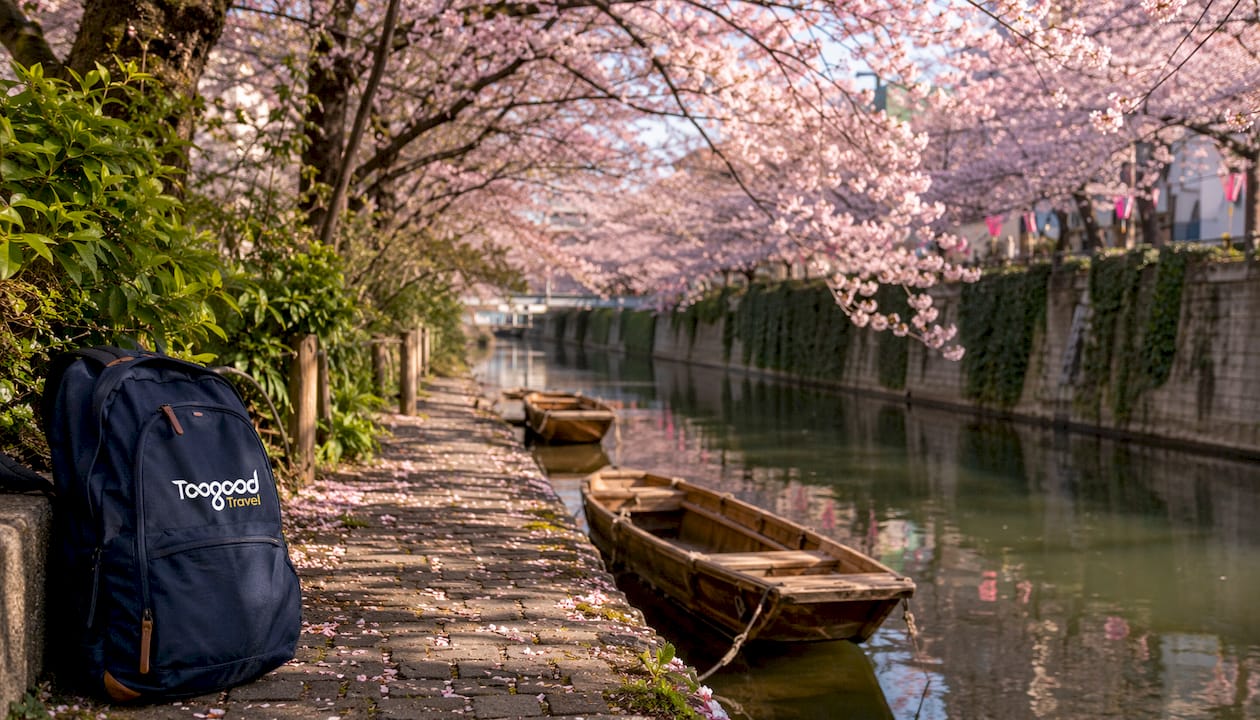
Nakameguro’s canal walk earns its reputation most obviously in late March and early April during cherry blossom season, but the riverside towpath is lined with independent coffee shops and small galleries year-round. Yanaka, meanwhile, is the closest the city comes to Edo-period urban life, with low wooden buildings, narrow lanes, and ceramics studios along Yanaka Ginza shopping street. Kagurazaka offers cobbled alleys hiding bistros and kappo restaurants behind near-unmarked doors. These three districts rarely appear on standard tourist itineraries, which is precisely their appeal.
How do you get around Tokyo easily?
Tokyo’s public transport network is one of the most reliable in the world, and navigating it is far simpler than it first appears.
- JR Yamanote Line — The single most useful line for sightseeing. It loops around the city’s main districts (Shinjuku, Shibuya, Harajuku, Akihabara, Ueno, and back) at a cost of around £1–£1.50 per trip. Between this and the metro, you can reach every major attraction without a taxi.
- Tokyo Metro and Toei Subway — Fill the gaps the Yamanote Line misses. The two networks together cover the whole city. Single fares are similarly priced.
- IC Cards (Suica or Pasmo) — Load credit onto a rechargeable card at any station machine and tap in and out across all rail and metro lines. Far quicker than buying individual tickets.
- Taxis — Reliable and metered, but expensive for longer journeys. Best reserved for late nights when trains have stopped.
- Night buses — Some routes run after midnight but are less intuitive for first-time visitors. The practical alternative is to either budget for a taxi or stay out until trains restart around 5am.
Pro Tip: Stay near a Yamanote Line station for your first visit. Shinjuku, Shibuya, and Harajuku are all on the loop, meaning you can move between major sights quickly and cheaply without planning complex connections.
Queuing is taken seriously in Tokyo. Stand on the correct side of the escalator (left in most areas), wait behind the marked lines on platforms, and keep your voice low on trains. These small courtesies make the experience noticeably smoother for everyone.
What makes Tokyo’s cultural experiences truly unique?
Tokyo’s cultural depth goes well beyond the obvious sights. The city rewards those who look a little closer.
- Senso-ji at dawn — Arriving before 8am transforms the experience entirely. The Nakamise-dori shopping approach, the Kaminarimon gate, and the main hall are all walkable in under an hour, and the atmosphere at that hour is genuinely moving.
- Meiji Shrine’s forested approach — The shrine sits inside 70 hectares of cedar forest in the heart of the city. On Sundays, street performers and vintage fashion traders gather near the park entrance, adding a lively contrast to the shrine’s calm.
- Takeshita Street’s youth culture — This is where Tokyo’s kawaii fashion and cosplay scene plays out in real time. It is chaotic, colourful, and unlike anywhere else on earth.
- teamLab Borderless — The digital art installations here fill entire rooms with moving light and sound. It is one of those rare experiences that photographs cannot adequately capture.
- Golden Gai, Shinjuku — A dense network of tiny bars, each seating perhaps eight people, packed into a few narrow alleyways. Most open late and stay that way well into the early hours.
- Seasonal festivals — April brings cherry blossom hanami parties in Yoyogi Park and along the Meguro River. July sees the spectacular Sumida River Fireworks Festival. September hosts sumo tournaments at the Ryogoku Kokugikan arena.
Etiquette matters here. Keep your voice low on public transport, queue patiently, and be aware that smoking on streets in major wards is often prohibited with significant penalty fines. Remove shoes when indicated, and treat cultural sites with care. Tokyo is one of the world’s safest cities, and that atmosphere is maintained partly because residents and visitors alike respect these norms.
How long should you spend in Tokyo, and what will it cost?
Five days is the practical sweet spot for a first visit. Asakusa, Shibuya, and Shinjuku all fit comfortably into three days, leaving the remaining two for Harajuku, Nakameguro, and a day trip. Seven days or more is when Tokyo starts to reveal the quieter layers that most guides skip entirely.
For trips of a week or less, staying in a single base neighbourhood avoids the fatigue of multiple hotel changes and lets you explore at a genuinely comfortable pace.
Typical costs at a glance:
- ️ Shinjuku Gyoen entry: £2.50
- teamLab Borderless: around £16 per person
- Tsukiji breakfast: £5–£8
- Yamanote Line single fare: around £1–£1.50
- ️ Tokyo Metropolitan Government Building observation deck: free
- Cherry blossom season: late March to early April (Nakameguro, Yoyogi Park, Shinjuku Gyoen)
| Trip length | Recommended focus | Typical daily spend |
|---|---|---|
| 3 days | Asakusa, Shibuya, Shinjuku | — |
| 5 days | Above plus Harajuku, Nakameguro, day trip | £70 |
| 7 days or more | All of the above plus Yanaka, Shimokitazawa, Koenji | £70 |
Tokyo summers (June to August) are hot and humid, requiring good hydration and regular breaks from the sun. Spring (March to May) and autumn (September to November) offer the most comfortable sightseeing conditions. Winter in Tokyo is generally mild and clear, with beautiful illuminations in December. For a first visit, spring or autumn is the clear recommendation.
Pro Tip: Book teamLab Borderless tickets well in advance, particularly for spring and autumn visits. They sell out weeks ahead during peak season.
Where should you shop in Tokyo?
Tokyo’s shopping districts are as varied as its neighbourhoods, and each one serves a completely different appetite.
Ginza is Tokyo’s most prestigious retail address. The main boulevard houses flagship stores for the world’s major luxury brands, while the backstreets hide traditional restaurants, small galleries, and kimono shops. Ginza Six is the area’s landmark shopping complex, worth visiting for the architecture alone.
Shibuya and Harajuku cover the full spectrum from high-street to high-end. Takeshita Street in Harajuku is the place for youth fashion, vintage finds, and street food. Cat Street, a few minutes’ walk away, shifts the mood entirely toward independent boutiques and understated luxury. Omotesando, the wide tree-lined boulevard connecting Harajuku to Aoyama, is Tokyo’s answer to the Champs-Élysées, lined with flagship architecture by names including Kengo Kuma.
Akihabara is the city’s electronics and anime district. Multi-storey electronics stores, retro game shops, and anime goods outlets line the main street. It is free to browse and genuinely unlike anywhere else in the world.
Shinjuku offers everything from the sleek NEWoMan complex to the covered shopping arcades near the station’s east exit. The department stores here are vast, and the basement food halls (depachika) are worth a visit in their own right for the sheer variety of prepared foods, sweets, and regional Japanese specialities.
For something more local, Nakameguro’s independent shops and Yanaka Ginza’s traditional craft stores offer a very different experience from the major retail districts. These are the places to find ceramics, textiles, and food items that you will not see in the tourist-facing shops elsewhere.
Plan your Tokyo trip with Toogood Travel

Tokyo is one of the world’s great city break destinations, and getting the most from it comes down to planning. Whether you want a five-day introduction to the highlights or a longer trip that takes in the quieter neighbourhoods and day trips to Hakone or Kamakura, Toogood Travel can put together a bespoke itinerary tailored to exactly what you are looking for.
We specialise in bespoke city breaks and worldwide travel experiences, and our knowledge of Japan means we can match you to the right areas, the right hotels, and the right pace for your trip. Get in touch and let us take care of the details.
Key takeaways
Tokyo rewards visitors who plan ahead, stay in a well-connected base neighbourhood, and mix the iconic sights with the quieter districts that most itineraries overlook.
| Point | Details |
|---|---|
| Five days covers the essentials | Asakusa, Shibuya, Shinjuku, and Harajuku fit comfortably into five days without feeling rushed. |
| Many top experiences are free | Meiji Shrine, Shibuya Crossing, and the Government Building observation deck cost nothing to visit. |
| Book teamLab Borderless early | Tickets cost around £16 and sell out weeks ahead during spring and autumn. |
| Spring and autumn are the best seasons | March to May and September to November offer the most comfortable sightseeing conditions. |
| Stay in one base for short trips | Choosing a single neighbourhood avoids hotel-change fatigue and maximises sightseeing time. |
FAQ
What should you not miss on a first visit to Tokyo?
Senso-ji Temple in Asakusa, the Shibuya Scramble Crossing, Meiji Shrine, and Shinjuku Gyoen National Garden are the four experiences that define the city for first-time visitors. teamLab Borderless is the one paid attraction worth prioritising.
How many days do you need in Tokyo?
Three days covers the main districts, but five days is the recommended minimum for a satisfying first visit. Seven days or more allows you to explore the quieter neighbourhoods and take day trips to Hakone or Kamakura.
What are the most fun free things to do in Tokyo?
Crossing the Shibuya Scramble at rush hour, walking through Meiji Shrine’s forested grounds, and taking in the city views from the Tokyo Metropolitan Government Building’s 45th-floor observation deck are all completely free and genuinely spectacular.
What is the best time of year to visit Tokyo?
Spring (late March to early May) for cherry blossoms and mild temperatures, or autumn (September to November) for comfortable weather and vivid foliage. Tokyo summers (June to August) are hot and humid, so pack accordingly if you visit then.
