
TL;DR:
- First-time visitors should prioritize pre-booking major attractions like the Statue of Liberty and Empire State Building. Exploring beyond Manhattan, especially in Brooklyn and Queens, offers authentic cultural and culinary experiences. Using the subway efficiently and sampling New York’s diverse street food define a rewarding city trip.
New York is defined by its extraordinary range of experiences, from free walks across the Brooklyn Bridge to world-class museums, vibrant street food, and iconic skyline views. The best things to do in New York span every budget and interest, making it one of the most rewarding cities on the planet for first-time visitors. Central Park alone covers 843 acres of urban parkland, and that is before you factor in the Statue of Liberty, the High Line, and the cultural richness of Brooklyn and Queens. Toogood Travel has put together this complete guide to help you plan every day with confidence and curiosity.
1. What are the must-see attractions in New York City?
The non-negotiable sights form the backbone of any New York itinerary. These are the places that live up to the hype and reward you with memories that last a lifetime.
- Central Park spans 843 acres and is entirely free to enter. Highlights include the Bethesda Fountain, the Ramble woodland, Strawberry Fields, and the Conservatory Garden. Hire a bike or simply walk the main loop.
- Statue of Liberty and Ellis Island require a ferry from Battery Park. Book tickets at least two weeks in advance, as timed entry slots sell out quickly, particularly for access to the crown.
- Empire State Building and Top of the Rock both offer stunning observation deck views. Top of the Rock gives you the added bonus of seeing the Empire State Building itself in the skyline.
- Brooklyn Bridge is free to walk and takes around 30 minutes from end to end. The views from the bridge walkway are among the best in the city.
- The Metropolitan Museum of Art (The Met) and MoMA are two of the world’s great art institutions. Each requires several hours to do justice.
- The High Line is a 1.45-mile elevated park built on a disused railway line. It features rotating art installations, greenery, and panoramic views of the Hudson River and Manhattan skyline.
Bundled attraction passes can save you up to 42% compared to buying individual tickets. That saving adds up fast when you are visiting five or more paid venues in a single trip.
Pro Tip: Book key attractions at least two weeks ahead. The Empire State Building, Statue of Liberty, and Broadway shows all sell out on popular dates.
2. Which neighbourhoods should first-time visitors explore?
The biggest mistake first-time visitors make is spending every day in Manhattan and missing the cultural depth of Brooklyn and Queens. Both boroughs offer a richer, more authentic side of New York life.
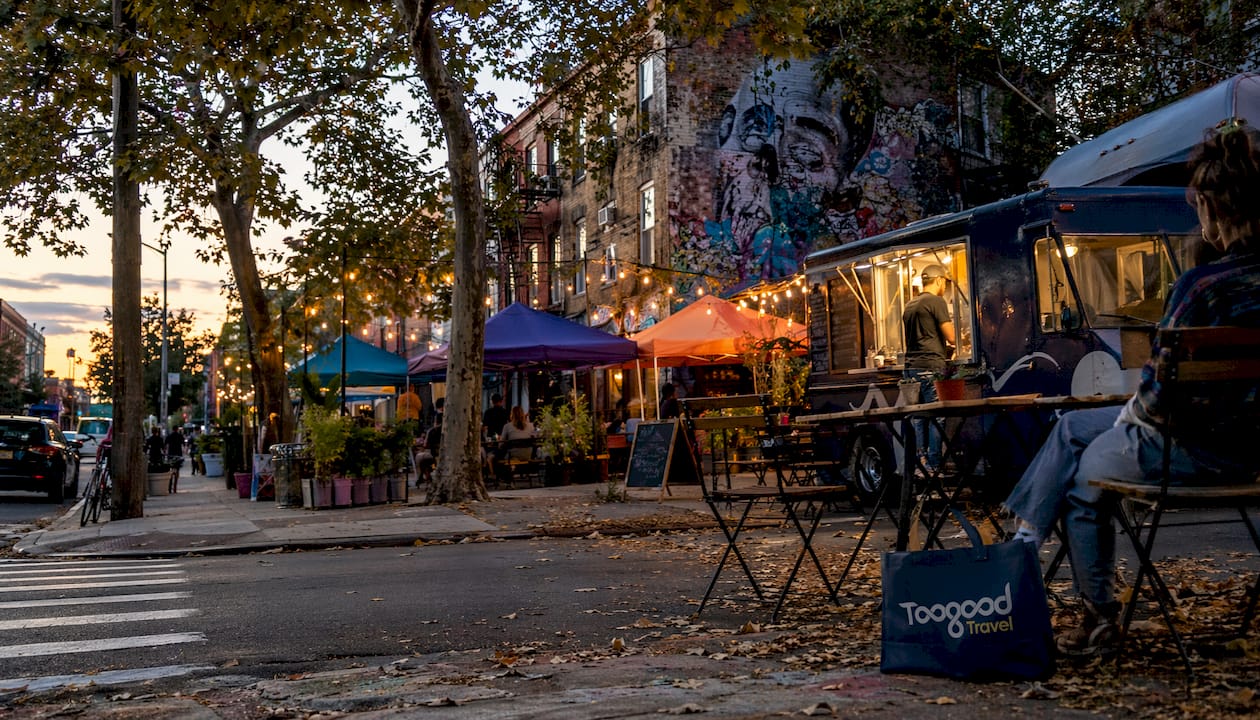
Brooklyn is the most accessible starting point beyond Manhattan. Williamsburg has a thriving independent food and arts scene, while DUMBO (Down Under the Manhattan Bridge Overpass) offers cobblestone streets, boutique shops, and some of the most photographed views of the Manhattan skyline. Brooklyn Heights Promenade is perfect for an evening stroll.
Queens is the city’s most ethnically diverse borough and its food scene reflects that. Jackson Heights is renowned for South Asian and Latin American cuisine. Flushing is one of the best places outside Asia to eat authentic Chinese and Korean food. These are not tourist experiences. They are the real thing.
Back in Manhattan, do not overlook these neighbourhoods:
- Greenwich Village: tree-lined streets, jazz bars, and the Washington Square Park fountain
- Lower East Side: historic Jewish delis, independent galleries, and some of the city’s best cocktail bars
- Upper West Side: a relaxed, residential feel with easy access to Central Park and the American Museum of Natural History
- Harlem: gospel brunches, soul food restaurants, and a rich cultural history
Getting between boroughs is straightforward on the subway. The A, C, and E lines connect Manhattan to Brooklyn and Queens quickly and cheaply.
3. How to get around New York efficiently
The NYC subway is the most efficient way to move around the city. A single ride costs around £2.30, and the OMNY contactless payment system accepts your UK debit or credit card directly at the turnstile. Once you reach the weekly fare cap of approximately £27–£28 within a rolling seven-day window, all subsequent rides are free. For tourists staying five or more days, that cap makes the subway exceptional value.
Walking is the most underrated way to experience Manhattan. The grid system makes navigation simple, and the street-level detail, corner delis, brownstone stoops, and impromptu street performances, is what gives the city its character. Many of the best moments in New York happen between destinations, not at them.
Other transport options worth knowing:
- Taxis and rideshares are convenient for late nights or when you are carrying luggage, but traffic can make them slow during peak hours.
- Citi Bike hire is ideal for the High Line, Central Park, and waterfront routes. Day passes are available and the docking stations are widespread.
- Driving is not recommended for tourists. Congestion charges apply in central Manhattan, parking is expensive, and the subway is faster for almost every journey.
New Yorkers follow unspoken sidewalk rules: walk with purpose, keep to the right, and step aside before checking your phone or map. Follow these and you will blend in immediately.
Pro Tip: Download a real-time subway app before you arrive. Signal is patchy underground, so having your route loaded before you descend saves time and stress.
4. What iconic food experiences should visitors try?
New York’s food scene is one of its greatest attractions. The classics are classics for a reason, and you should eat them without apology.
- Bagels with lox and cream cheese from a proper deli. Russ & Daughters on the Lower East Side is the gold standard.
- Pizza by the slice from a neighbourhood pizzeria. Fold it in half lengthways, New York style, and eat it standing up.
- Pastrami sandwiches at Katz’s Delicatessen on the Lower East Side. The portions are enormous and the quality is unmatched.
- Hot dogs from a street cart outside Central Park or near a major attraction. Simple, cheap, and genuinely good.
- Chelsea Market in the Meatpacking District houses dozens of food vendors under one roof, from lobster rolls to artisan pastries.
For a broader culinary adventure, head to the boroughs. Jackson Heights in Queens and Flushing’s food courts offer some of the most exciting eating in the city at a fraction of Manhattan prices.
Restaurants near Times Square charge significant premiums for average food. Walking just two blocks away from any major tourist sight almost always yields better quality and better value.
Pro Tip: Make restaurant reservations for popular spots at least a week ahead. Walk-in tables at well-regarded restaurants are rare, particularly at weekends.
5. How to structure your New York visit for the best experience
A well-planned New York trip balances iconic sights with spontaneous discovery. Pre-booking essentials actually creates more freedom, because you are not spending time queuing or scrambling for last-minute tickets.
A sensible daily structure looks like this:
- Focus on one neighbourhood per day. Trying to cover multiple boroughs in a single day leads to exhaustion and rushed experiences.
- Limit yourself to one major museum per visit. The Met and MoMA each require several hours to explore properly. Attempting two in one day causes burnout.
- Include at least one park or outdoor space each day. Central Park, Brooklyn Bridge Park, and the High Line all provide breathing room between busier sights.
- Plan one evening activity per night. Broadway shows, rooftop bars, jazz clubs in Harlem, or a sunset cruise around Manhattan all reward advance booking.
- Leave room for the unexpected. NYC rewards curiosity as much as careful planning. Some of the best experiences come from turning down an unfamiliar street.
A mid-range daily budget of around £200–£320 covers a hotel, meals, transport, and one or two paid attractions. Staying in Brooklyn or Queens rather than central Manhattan can reduce accommodation costs significantly without sacrificing access to the city.
Before you travel, check that your ESTA or visa is in order. Toogood Travel’s guide to booking your first holiday abroad covers the key pre-departure steps for UK travellers heading to the US.
Key takeaways
The best New York visit combines pre-booked iconic attractions with flexible neighbourhood exploration, efficient subway travel, and a genuine appetite for the city’s extraordinary food and street culture.
| Point | Details |
|---|---|
| Pre-book major attractions | Book the Statue of Liberty, Empire State Building, and Broadway shows at least two weeks ahead. |
| Explore beyond Manhattan | Brooklyn and Queens offer authentic food, culture, and experiences that Manhattan cannot replicate. |
| Use the subway with OMNY | Tap your UK card directly; the weekly fare cap makes it exceptional value for multi-day visitors. |
| Eat away from tourist hotspots | Walk two blocks from any major sight for better food at noticeably lower prices. |
| One neighbourhood, one museum per day | Pacing your visit prevents fatigue and leaves room for spontaneous discoveries. |
My honest take on visiting New York for the first time
I have helped hundreds of clients plan their first New York trips, and the pattern I see most often is the same one. People arrive with a list of fifteen things to do in five days, spend the first two days racing between sights, and then hit a wall by Wednesday afternoon.
New York does not reward speed. It rewards attention. The city reveals itself in the details: the conversation you overhear at a deli counter, the jazz spilling out of a Harlem bar at 10pm, the view of the Manhattan skyline from a Brooklyn rooftop that nobody told you about. These moments do not appear on any itinerary.
My advice is always the same. Book the big three (Statue of Liberty, an observation deck, and a Broadway show) before you fly. Then leave at least a third of your days deliberately unplanned. Walk into a neighbourhood you have not researched. Eat somewhere with no English-language signage. Take the subway to a stop you have never heard of and see what is there.
Exploring outside Manhattan consistently produces the stories my clients talk about for years afterwards. The tourists who stick to Times Square and Midtown see New York. The ones who wander into Flushing or Williamsburg on a whim actually feel it.
New York is not a city you conquer. It is a city you surrender to. Do that, and it will give you more than you planned for.
— Stuart Toogood
Planning your New York trip with Toogood Travel
New York is one of those cities where the right preparation makes an enormous difference to what you actually experience. Getting the accommodation, timing, and pre-booked attractions right before you fly means you spend your time in the city rather than organising it.

Toogood Travel specialises in creating bespoke city breaks and worldwide travel experiences for UK travellers. Whether you need help choosing the right neighbourhood to stay in, securing tickets for sold-out shows, or building a New York itinerary that balances the iconic with the unexpected, we are here to help. Visit Toogood Travel to start planning your perfect New York adventure today.
FAQ
What are the best free things to do in New York?
Central Park, the Brooklyn Bridge walk, the High Line, and the Staten Island Ferry (which passes the Statue of Liberty) are all completely free. Many world-class street art installations and neighbourhood markets cost nothing to enjoy.
How many days do you need in New York?
Most first-time visitors benefit from at least five to seven days. This allows time to cover the main Manhattan sights, explore one or two outer boroughs, and leave room for spontaneous discoveries without feeling rushed.
Is the New York subway safe and easy to use?
The subway is safe, extensive, and the fastest way to travel between neighbourhoods. Use OMNY contactless payment with your UK bank card and download a real-time map app before you travel for the smoothest experience.
When is the best time to visit New York?
September and October offer the most comfortable temperatures, lower humidity than summer, and fewer crowds than the peak July and August period. Spring (april and may) is also excellent. Winter visits are cold but rewarding, with festive atmosphere and lower hotel prices.
Do UK visitors need a visa to enter the United States?
UK citizens travelling to the US for tourism do not need a full visa but must obtain an ESTA (Electronic System for Travel Authorisation) before departure. Applications are made online and approval is usually granted within minutes. Check Toogood Travel’s first-time traveller checklist for full pre-departure guidance.
