
TL;DR:
- The northern lights in Iceland result from solar particles colliding with Earth’s atmosphere, making Iceland a prime viewing location. The best time to see them is during the dark season from late August to mid-April, especially in September, February, and March. Viewing success depends on multiple nights, choosing dark-sky locations, monitoring forecasts, and patience.
The northern lights in Iceland, known scientifically as the aurora borealis, are a natural atmospheric phenomenon caused by charged solar particles colliding with gases in Earth’s upper atmosphere. Iceland sits directly beneath the auroral oval, making it one of the most reliable places on the planet to witness this spectacle. Single-night sighting odds sit at around 30–40% during the dark season, rising to over 90% with five nights of hunting. Three essential conditions must align for a successful sighting: sufficient darkness, a clear sky, and active solar geomagnetic activity. Plan your trip around all three, and Iceland will reward you with one of the most extraordinary sights in nature.
1. When is the best time to see northern lights in Iceland?
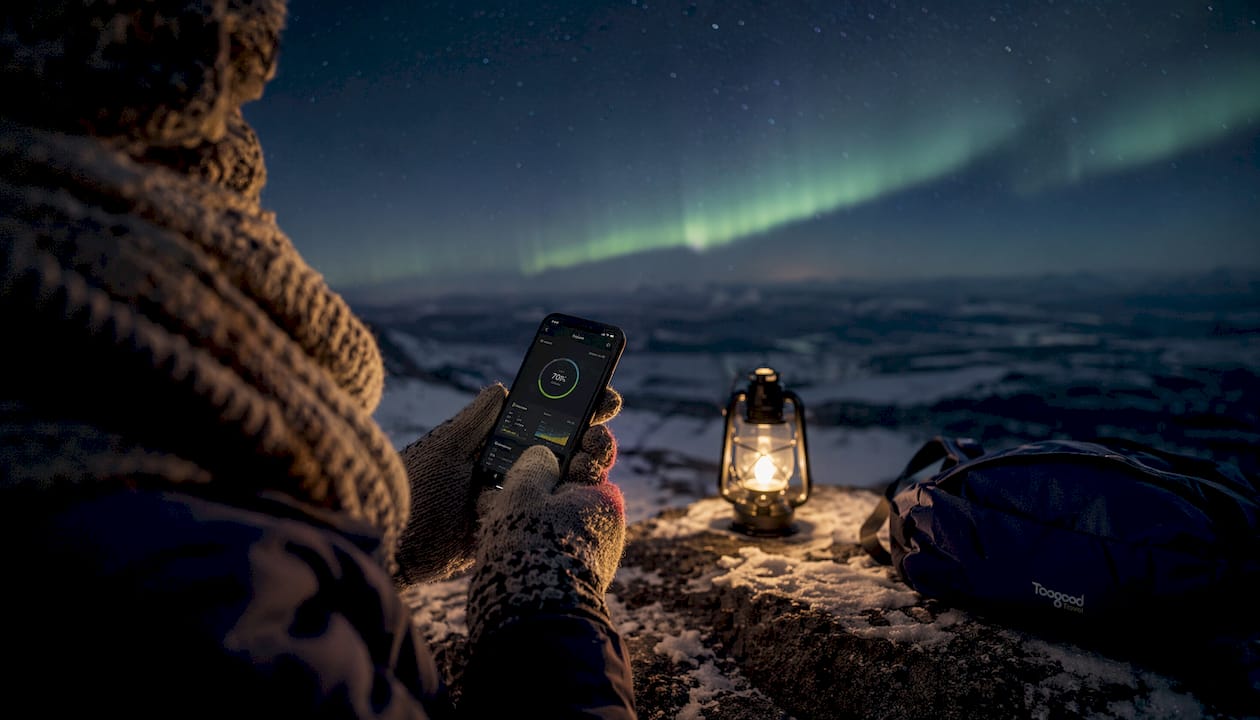
The aurora season in Iceland runs from late august through to mid-april. Outside this window, Iceland’s famous midnight sun floods the sky with light around the clock, making aurora sightings impossible from may through july regardless of solar activity.
Within the season, september, february, and march stand out as particularly strong months. September offers the first real darkness after summer, often with relatively settled weather. February and march benefit from increased solar activity linked to the spring equinox, a well-documented pattern known as the Russell-McPherron effect.
The best viewing hours each night fall between 21:00 and 02:00, when the sky reaches its deepest darkness. Heading out before 21:00 is rarely productive, even in midwinter.
- Late august to october: First dark skies return; weather still relatively mild
- November to january: Longest nights but often cloudy and stormy
- February to mid-april: Strong solar activity, improving weather, and manageable temperatures
Pro Tip: Book a minimum of five nights in Iceland during the dark season. Multi-night stays push your sighting odds above 90%, compared to just 30–40% on a single night.
2. Where to see northern lights in Iceland
Location is the single biggest factor you can control. Basing yourself outside Reykjavik dramatically reduces light pollution and improves your chances on even modest aurora nights. Reykjavik can work on very strong geomagnetic nights, but the city’s orange glow washes out fainter displays entirely.
The following locations consistently deliver outstanding viewing conditions:
- Þingvellir National Park: Just 45 minutes from Reykjavik, this UNESCO World Heritage Site offers wide open skies and almost zero artificial light
- Grótta lighthouse, Reykjavik: The closest dark-sky spot to the capital, ideal for a quick escape on strong nights
- Snæfellsnes peninsula: Dramatic volcanic scenery frames the aurora beautifully, and the peninsula’s westerly position often catches clearer skies
- Jökulsárlón glacier lagoon: The reflections of the aurora dancing across the icebergs create one of Iceland’s most photographed scenes
- Akureyri and Lake Mývatn: North Iceland sits directly under the auroral oval and benefits from a drier microclimate than the south coast
| Location | Distance from Reykjavik | Key advantage |
|---|---|---|
| Þingvellir National Park | 45 km | Dark skies, easy access |
| Snæfellsnes peninsula | 180 km | Clear western skies, dramatic scenery |
| Jökulsárlón glacier lagoon | 375 km | Iconic reflections, minimal light pollution |
| Lake Mývatn | 460 km | Auroral oval position, drier climate |
| Akureyri | 460 km | North Iceland base, good infrastructure |
Travelling further from Reykjavik takes more planning but pays off consistently. Renting a car and following the Ring Road gives you the flexibility to chase clear skies across the country.
3. How to read a northern lights Iceland forecast
Reading a forecast correctly separates successful aurora hunters from disappointed ones. The Icelandic Met Office at vedur.is provides the most reliable local forecast, combining the Kp index with cloud cover maps and updating every 3–6 hours. Bookmark it before you travel.
The Kp index measures geomagnetic activity on a scale of 0–9. In Iceland, a Kp of 2 or higher is sufficient for a visible display at high latitudes. A Kp of 5 or above produces dramatic curtains of light visible even from Reykjavik. However, the Kp index alone tells only half the story.
Cloud cover is the greatest obstacle to aurora viewing. A clear sky with a Kp of 2 will outperform a Kp of 7 night buried under thick cloud every single time. Always check the cloud forecast first, then check the Kp index second.
The Bz value is a more advanced indicator worth understanding. It measures the orientation of the solar wind’s magnetic field. A strongly negative Bz value means the solar wind connects efficiently with Earth’s magnetic field, producing intense aurora activity. The Bz is unpredictable hours in advance, which is why real-time monitoring matters so much on the night itself.
Pro Tip: Check vedur.is at least three times on any potential viewing night: once at 18:00, once at 21:00, and again at midnight. Cloud patterns shift fast in Iceland, and a cloudy evening can clear dramatically by midnight.
4. Northern lights tours Iceland: which option suits you?
Guided tours remove the guesswork from aurora hunting and are worth serious consideration, particularly for first-time visitors. Expert guides monitor real-time weather data and relocate groups by 45–100 km to find clear skies, a level of flexibility that is very difficult to replicate independently.
Tour prices in Iceland vary significantly by format:
- Budget coach tours (£32–£45 per person): Large groups, fixed routes, good for solo travellers on a tight budget
- Minibus tours (£55–£100 per person): Smaller groups, more flexible routing, better for photography
- Private super jeep or photography tours (£115–£230 per person): Maximum flexibility, expert guidance, access to remote locations
- Boat tours: Unique perspective from the water, eliminates coastal light pollution entirely
Self-drive aurora hunting is a genuinely rewarding option if you are comfortable driving on Icelandic roads at night. Hiring a 4×4 and following cloud-free forecasts gives you complete freedom to position yourself wherever conditions look best. The Ring Road is well maintained, but winter driving requires experience with ice and snow.
Booking only one excursion is a common and costly mistake. Spreading your aurora attempts across three to five nights accounts for Iceland’s notoriously changeable weather and gives you a realistic shot at a memorable sighting.
5. Northern lights photography tips for Iceland
Aurora photography rewards preparation. You do not need professional equipment, but a camera with manual settings, a wide-angle lens, and a sturdy tripod are non-negotiable.
Set your ISO between 800 and 3200, open your aperture to f/2.8 or wider, and start with a shutter speed of around 10–15 seconds. Adjust from there based on the aurora’s brightness and movement. Fast-moving auroras need shorter exposures to retain their shape; slow, diffuse glows can handle longer ones.
Composition matters as much as camera settings. Iceland’s landscapes provide extraordinary foreground subjects: glaciers, lava fields, waterfowl on dark lakes, and volcanic peaks. Arrive at your chosen location before dark, set up your composition, and wait.
Avoid using your phone’s torch or any white light once you are in position. Your eyes need around 30 minutes in complete darkness to fully adapt. Faint auroras that appear grey to unadapted eyes reveal vivid greens and purples once your night vision kicks in fully.
6. What to wear and pack for aurora hunting
Iceland’s winter nights are genuinely cold, and standing still in a field at midnight demands serious preparation. Thermal base layers, a mid-layer fleece, and a windproof and waterproof outer shell are the minimum. Temperatures regularly drop below -10°C in the north and east during winter.
Extremities suffer most. Thermal gloves, thick wool socks, and insulated waterproof boots are not optional. Hand warmers tucked into your gloves make a significant difference during long waits.
Pack a head torch with a red-light setting. Red light preserves your night vision while still letting you navigate safely. A flask of hot drink and snacks keep morale high during patient vigils. A folding camping chair or a thick blanket to sit on transforms a two-hour wait from an ordeal into an adventure.
7. Common mistakes that ruin aurora trips
The most common mistake is booking too few nights. A single-night excursion in Iceland carries a 60–70% chance of failure due to cloud cover alone. Five nights reduces that risk dramatically and gives you multiple attempts under different conditions.
The second mistake is staying in Reykjavik and expecting the aurora to come to you. The city’s light pollution suppresses all but the strongest displays. Even a 30-minute drive south towards Þingvellir makes a measurable difference.
The third mistake is giving up too early. Auroras are unpredictable. A clear night can produce nothing until 23:30 and then erupt into a full-sky display by midnight. Patience is not just a virtue in aurora hunting. It is the strategy.
Finally, many travellers rely solely on aurora alert apps without cross-referencing cloud cover. An app that pings you with a Kp alert at 22:00 is useless if the sky above you is completely overcast. Always check vedur.is for cloud forecasts alongside any geomagnetic alert.
Key takeaways
The most reliable way to see the northern lights in Iceland is to combine a multi-night stay, a dark-sky location, and disciplined use of the Icelandic Met Office forecast.
| Point | Details |
|---|---|
| Book multiple nights | Five nights gives over 90% sighting odds versus just 30–40% for a single night. |
| Prioritise cloud cover | Clear skies matter more than high Kp; always check vedur.is before heading out. |
| Leave the city | Escaping Reykjavik’s light pollution, even by 30 minutes, significantly improves visibility. |
| Adapt your eyes | Allow 30 minutes in complete darkness for full night vision before judging aurora brightness. |
| Choose the right tour | Guided minibus or super jeep tours offer real-time relocation to clear skies, maximising your chances. |
What I have learned from chasing auroras in Iceland
By Stuart Toogood
The thing nobody tells you before your first aurora trip is how much patience it actually demands. You can read every forecast, book the right tour, and position yourself perfectly, and still spend three nights staring at cloud. That is not failure. That is Iceland.
What changed my approach was accepting that aurora hunting is an active process, not a passive one. The best nights I have had were the ones where I drove two hours at midnight chasing a gap in the cloud, set up on a frozen lakeshore in the dark, and waited. The aurora did not appear until 01:15. It was worth every cold minute.
I also cannot overstate the value of dark adaptation. Most people step out of a warm minibus, glance at the sky for five minutes, and conclude the aurora is faint or disappointing. Give your eyes 30 minutes away from any light source and the same sky transforms completely. Greens become vivid, purples appear, and faint curtains reveal themselves as full-sky ribbons.
My honest advice: plan for at least five nights, base yourself outside Reykjavik for at least part of the trip, and treat every clear night as a genuine opportunity rather than a guarantee. The unpredictability is not the frustrating part. It is the part that makes the memory last a lifetime.
— Stuart Toogood
Plan your Iceland adventure with Toogood Travel
Iceland offers far more than aurora nights. It is a destination that rewards the curious traveller at every turn, from glacier hikes and geothermal pools to whale watching and volcanic landscapes.

At Toogood Travel, we love helping travellers build trips that combine aurora hunting with the full Icelandic experience. Whether you are looking for a short city break with evening excursions or a longer fly-drive adventure along the Ring Road, we can point you in the right direction. Visit Toogood Travel to browse our adventure holiday ideas and find inspiration for your next unforgettable trip.
FAQ
When is the best time to see the northern lights in Iceland?
The aurora season runs from late august to mid-april. September, february, and march offer the strongest combination of darkness, solar activity, and manageable weather.
How many nights do I need to see the northern lights in Iceland?
A minimum of three nights raises your sighting odds to 65–75%, while five nights pushes the probability above 90%. One night carries a 30–40% chance of success.
What is the Kp index and what level do I need in Iceland?
The Kp index measures geomagnetic activity on a scale of 0–9. A Kp of 2 or higher is sufficient for aurora sightings in Iceland due to the country’s high latitude position.
Is cloud cover or solar activity more important for aurora viewing?
Cloud cover is the bigger obstacle. A clear sky with a modest Kp of 2 produces a better result than a high-Kp night under heavy cloud. Always check the cloud forecast on vedur.is first.
Do I need a guided tour or can I self-drive to see the aurora?
Both options work well. Guided tours offer expert real-time weather tracking and can relocate by up to 100 km to find clear skies. Self-drive gives you complete freedom but requires confidence on winter roads and disciplined use of weather forecasts.
