
TL;DR:
- Japan’s cherry blossom season features the brief, spectacular bloom of sakura trees across the country each spring. Hanami, a tradition of flower viewing, involves outdoor gatherings beneath the blossoms to celebrate transient beauty and cultural heritage.
Japan’s cherry blossom season is the annual bloom of sakura trees across the country, celebrated through hanami, a centuries-old tradition of flower viewing that weaves together nature, culture, and community. Each spring, millions of travellers and locals alike gather beneath clouds of pale pink petals to mark one of the most visually stunning natural events on earth. The season is brief, the crowds are real, and the rewards are extraordinary. Whether you are planning your first visit or returning for another look, understanding the timing, the traditions, and the best spots makes all the difference.
What is the Japan cherry blossom season, and why does it matter?
The Japan cherry blossom season, known in Japanese as sakura season, is defined by the bloom of flowering cherry trees across the country each spring. The most celebrated variety is Somei Yoshino, a pale pink tree that dominates parks, riverbanks, and castle grounds from Kyushu in the south to Hokkaido in the north. What makes this season genuinely remarkable is its brevity. Peak bloom lasts roughly one week under favourable conditions, which concentrates the experience into a narrow, precious window.
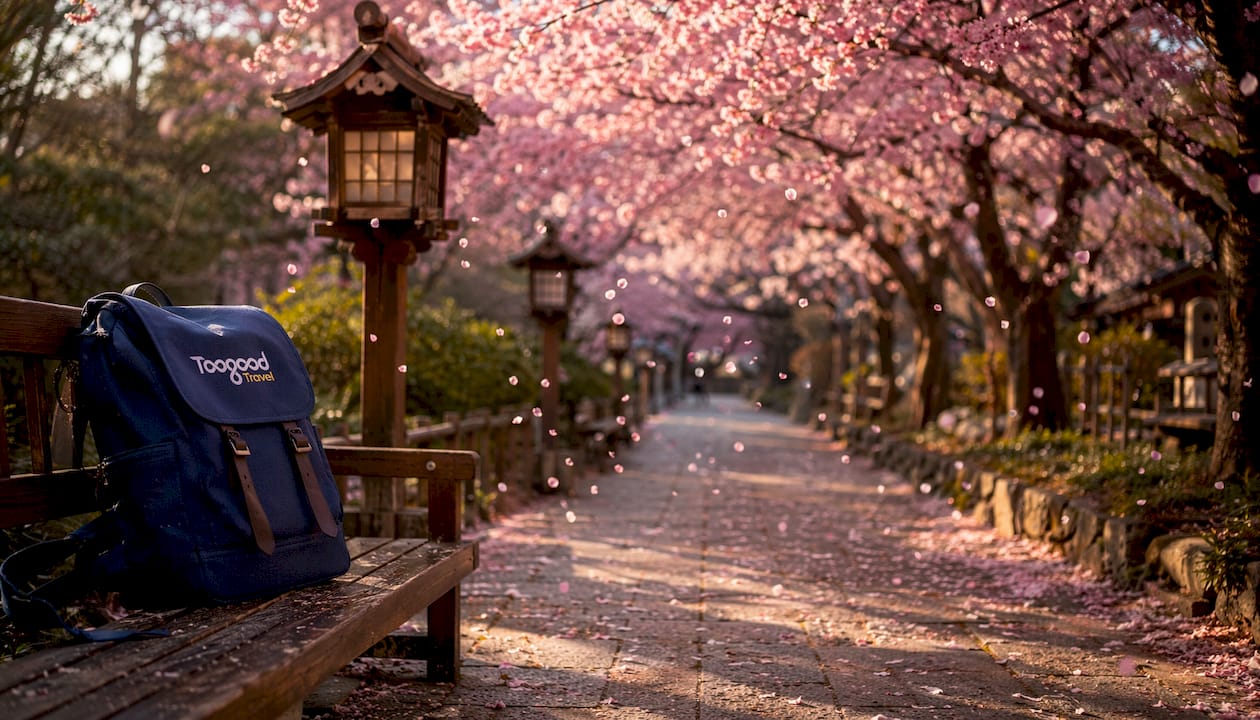
The Somei Yoshino’s simultaneous bloom is explained by a fascinating botanical fact: virtually all of these trees are clones descended from a single 19th-century specimen. Because they share identical genetics, they respond to temperature changes in near-perfect unison. This clonal nature is what makes national forecasting possible and what creates the dramatic, country-wide spectacle each year.
The season also carries enormous societal weight. Sakura blooms shape school ceremonies, business events, product launches, and social calendars across Japan. The bloom is not simply a natural event. It is a cultural signal that marks the start of a new chapter.
What is hanami, and why is it central to cherry blossom culture?
Hanami literally means “flower viewing,” and it is the practice of gathering outdoors beneath cherry trees to appreciate their beauty. The tradition has aristocratic origins rooted in the Nara and Heian periods, when the imperial court composed poetry beneath blossoming trees and regarded the flowers as dwelling places of kami, the spirits of Shinto belief. Back then, the practice centred on plum blossoms. The shift to cherry blossoms represented a distinctly Japanese cultural development, one that embraced impermanence and seasonal beauty above all else.
Hanami is shaped by the philosophy of mono no aware, a Japanese concept that finds beauty in transience. The cherry blossom is beautiful precisely because it does not last. Watching petals fall is not a sad event but a reminder to be present.
By the Edo period, hanami had evolved from a refined court pastime into a popular tradition enjoyed by all levels of society. The Meiji government later planted cherry trees across Japan as a deliberate act of nation-building, using sakura as a cultural unifier. Today, hanami is a social institution. Office colleagues, families, and friends reserve spots in parks days in advance, spread out picnic sheets, and spend hours eating, drinking, and celebrating the season together.
What separates hanami from ordinary flower viewing is its intentionality. You are not simply walking past pretty trees. You are sitting with them, giving them your full attention, and acknowledging the season’s passing. That philosophical depth is what makes the experience linger long after the petals have fallen.
When and where can you see cherry blossoms in Japan?
The sakura season progresses from south to north, typically beginning in late march in Kyushu and Okinawa, moving through Honshu during april, and reaching Hokkaido in late april to early may. The Japan Meteorological Corporation tracks bloom progress using observations from approximately 1,000 Somei Yoshino trees at key viewing sites nationwide, with forecasts updated regularly from february onwards.
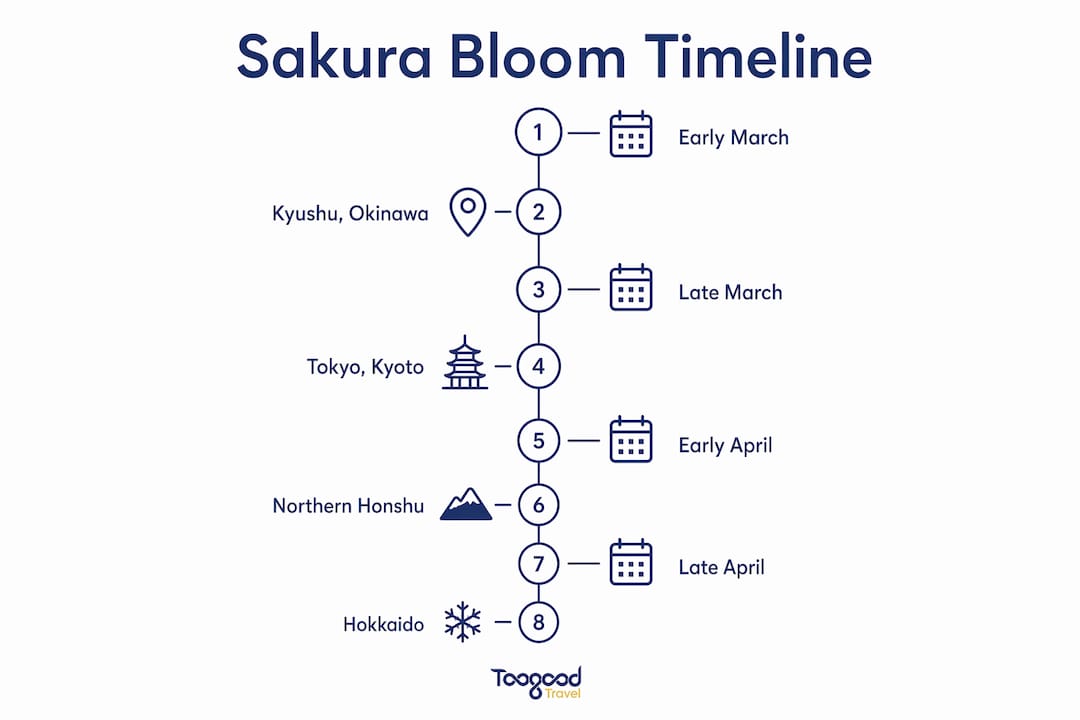
Understanding the difference between first bloom and full bloom is critical for planning. First bloom occurs when around 5–10% of flowers open on a reference tree. Full bloom, or mankai, arrives roughly 5–10 days later and represents the peak viewing window. That full bloom period lasts about one week under calm, cool conditions. Rain and warm temperatures shorten it considerably.
Top cherry blossom spots across Japan
| Location | Bloom period (approx.) | Highlight |
|---|---|---|
| Tokyo (Ueno Park, Shinjuku Gyoen) | Late march to early april | Iconic city parks with thousands of trees |
| Kyoto (Maruyama Park, Philosopher’s Path) | Late march to mid april | Historic temples and canal-side walks |
| Mount Yoshino, Nara | Early to mid april | Over 30,000 trees across mountain slopes |
| Hirosaki Castle, Aomori | Late april to early may | Moat reflections and petal carpets |
| Hokkaido (Matsumae Park) | Late april to early may | Japan’s last bloom of the season |
Tokyo’s Shinjuku Gyoen is one of the finest spots for a relaxed viewing experience. Its controlled entry keeps numbers manageable and the grounds include multiple cherry varieties that extend the season beyond the standard Somei Yoshino window. Kyoto’s Philosopher’s Path, a canal-side walkway lined with hundreds of trees, offers a quieter alternative to the city’s busier temple gardens. Mount Yoshino in Nara is the most dramatic landscape of all, with over 30,000 trees covering an entire mountainside in successive waves of pink.
Pro Tip: Check the Japan Meteorological Corporation’s forecast from february onwards and align your travel dates with mankai at your chosen location rather than with first bloom. Arriving a few days after first bloom and staying through full bloom gives you the best chance of catching peak colour.
How to plan your cherry blossom trip to Japan
Planning a sakura trip requires more lead time than most holidays. Flights and accommodation at prime locations sell out months in advance, with bookings peaking 4–6 months ahead of the season. Peripheral areas and smaller towns may have availability 1–3 months out, but popular cities like Tokyo and Kyoto fill up fast.
Follow these steps to give yourself the best possible experience:
- Fix your target location first. Decide whether you want Tokyo’s urban parks, Kyoto’s historic settings, or a regional gem like Hirosaki. Each has a different bloom window, so your destination determines your travel dates.
- Book accommodation early. Aim for 4–6 months ahead for central Tokyo or Kyoto during peak bloom. Consider staying slightly outside the city centre and commuting in, as peripheral areas retain availability longer.
- Monitor the official forecast. The Japan Meteorological Corporation publishes regular updates from february. Set a reminder to check weekly from late january so you can adjust plans if the season runs early or late.
- Build flexibility into your itinerary. Cherry blossoms are weather-dependent. A warm spell can accelerate bloom by a week; a cold snap can delay it. Leaving a day or two of buffer in your schedule pays off.
- Plan for crowds. Tens of millions of people travel domestically during peak bloom, saturating transport and accommodation. Book Shinkansen seats in advance and avoid travelling on weekends if possible.
Pro Tip: Weekday mornings, particularly just after sunrise, offer the most peaceful viewing at even the most popular spots. The light is softer, the crowds are thin, and the experience feels genuinely personal.
What to expect during hanami: customs and etiquette
Hanami is a social event, and arriving prepared makes it far more enjoyable. The experience centres on spending time outdoors with good food, good company, and an unhurried appreciation of the trees. Typical hanami picnics include seasonal foods like onigiri (rice balls) and karaage (fried chicken), alongside drinks such as sake or beer. Public bins are scarce at most parks, so carrying a bag for your rubbish is not optional. It is expected.
Key customs and etiquette to know before you go:
- Reserve your spot early. In popular parks, groups send a designated person to claim a picnic area hours before the gathering begins. A picnic sheet or tarpaulin marks your territory.
- Respect the trees. Do not climb branches, shake petals loose, or pick flowers. The trees are protected, and damaging them is both disrespectful and, in many parks, against the rules.
- Keep noise considerate. Hanami is lively but not rowdy. Music is common, but keeping volume reasonable shows respect for other groups nearby.
- Carry out your rubbish. This is non-negotiable. Leaving litter is considered deeply disrespectful and parks rely on visitors to keep the grounds clean.
- Try yozakura. Night-time cherry blossom viewing, known as yozakura, offers a completely different atmosphere. Illuminated trees reflected in dark water, as seen at Maruyama Park in Kyoto or Ueno Park in Tokyo, create a quieter, more atmospheric experience that many visitors find even more moving than daytime viewing.
Pro Tip: Visiting less crowded sites like Shinjuku Gyoen, which charges a small entry fee, or heading to regional spots outside the major cities, dramatically improves the experience. The Meguro River in Tokyo is stunning but can feel overwhelming at peak times.
Key takeaways
Japan’s sakura season rewards travellers who plan early, understand the bloom stages, and embrace the cultural traditions that give the experience its real depth.
| Point | Details |
|---|---|
| Book 4–6 months ahead | Popular locations sell out fast; early booking is the single most important planning step. |
| Target mankai, not first bloom | Full bloom arrives 5–10 days after first bloom and lasts roughly one week. |
| Use the official forecast | The Japan Meteorological Corporation tracks approximately 1,000 sites from february onwards. |
| Arrive on weekday mornings | Early weekday visits to popular spots like Shinjuku Gyoen reduce crowds significantly. |
| Embrace hanami traditions | Bring food, carry out your rubbish, and try yozakura for a quieter, memorable experience. |
Why sakura season changed how I think about travel
Stuart Toogood shares his perspective:
The first time I stood beneath a fully bloomed Somei Yoshino tree in Kyoto, I understood immediately why the Japanese treat this season as something close to sacred. There is nothing quite like it. The petals are not just pretty. They carry a weight of meaning that you feel even without knowing the philosophy behind them.
What I have come to appreciate, having helped many travellers plan sakura trips, is that the experience is almost always better when you slow down. The instinct is to rush from park to park, ticking off the famous spots. But hanami is not a checklist activity. Sitting in one place for two hours, watching the light change and the petals drift, teaches you more about Japan than any temple tour.
My honest advice: go to one or two locations and go deep. Choose a lesser-known spot for at least one morning. The crowds at the famous sites are real, and they do change the feeling of the experience. A quiet riverbank in a smaller city, with a flask of tea and no agenda, is often the memory that stays with you longest. The impermanence that mono no aware describes is not just a concept. You feel it when you watch the petals fall.
— Stuart Toogood
Planning a Japan trip with Toogood Travel
Sakura season is one of the most rewarding times to visit Japan, and getting the timing right makes all the difference. Toogood Travel specialises in creating bespoke trips that work around the realities of peak season travel, from securing the right accommodation to building itineraries that balance iconic sights with quieter, more personal experiences.

Whether you are drawn to Tokyo’s parks, Kyoto’s historic paths, or the dramatic slopes of Mount Yoshino, Toogood Travel can help you put together a trip that fits your pace and priorities. Take a look at the full range of cultural travel options available and start planning a visit that goes beyond the postcard.
FAQ
When is the best time to see cherry blossoms in Japan?
Peak bloom, or mankai, typically occurs between late march and mid april across most of Honshu, including Tokyo and Kyoto. The exact timing shifts each year depending on winter temperatures, so checking the Japan Meteorological Corporation’s forecast from february onwards is the most reliable approach.
How long does the cherry blossom season last in Japan?
The full bloom period at any single location lasts approximately one week under favourable conditions. The national season runs from late march in the south to early may in Hokkaido, giving travellers flexibility to follow the bloom northwards.
Do I need to book accommodation far in advance for sakura season?
Bookings at popular locations peak 4–6 months ahead of the season. Tokyo and Kyoto fill up particularly fast. Peripheral areas and smaller cities may have availability closer to the dates, but securing accommodation early is strongly recommended.
What is yozakura?
Yozakura is night-time cherry blossom viewing, where illuminated trees create a dramatic and atmospheric alternative to daytime hanami. Parks such as Maruyama in Kyoto and Ueno in Tokyo are well known for their yozakura displays.
What should I bring to a hanami picnic?
Bring a picnic sheet, food and drinks, and a bag for your rubbish. Public bins are scarce at most parks, and carrying out your waste is standard practice. Seasonal foods like onigiri and karaage are traditional hanami staples.
