
TL;DR:
- Preparing thoroughly before departure reduces the risks of solo travel and builds confidence during the trip. Choosing safe destinations and secure accommodations, along with practicing daily safety habits, ensures on-the-ground security. Effective planning and proactive systems enable travelers to enjoy adventure without sacrificing safety.
Solo travel safety is defined by the quality of your preparation before you ever leave home. Knowing how to plan a solo trip safely abroad means making proactive decisions about documentation, accommodation, finances, and daily habits long before you board your flight. The good news is that most solo travel risks are manageable with preparation and simple systems rather than fear. This guide walks you through every stage of the process, from pre-trip essentials to on-the-ground safety habits, so you can travel alone with genuine confidence.
What essential preparations should you make before your solo trip?
Strong preparation is the foundation of safe solo travel. Getting these steps right before you leave removes the majority of risks that catch first-time solo travellers off guard.
- Passport validity. Your passport must be valid for at least 6 months beyond your return date, and some destinations require up to 12 months. Renewal can take several weeks during busy periods, so check yours the moment you start planning.
- Emergency fund. Experts recommend budgeting 10–15% of your total trip cost as an untouched emergency reserve. That buffer covers unexpected medical needs, missed connections, or last-minute accommodation changes.
- Travel insurance. Comprehensive cover is non-negotiable for solo travellers. Choose a policy that includes medical evacuation, trip cancellation, and personal liability. Without it, a single hospital visit abroad can cost thousands of pounds.
- Document copies. Make both digital and physical copies of your passport, insurance documents, visa, and bank cards. Store digital copies in a secure cloud folder and keep physical copies separate from the originals.
- Offline maps and emergency numbers. Download offline maps and save local emergency numbers, including the nearest British embassy or consulate, before you travel. These resources are vital when mobile data is unavailable.
- First night accommodation. Book your first night in a central, well-reviewed location before departure. Arriving with a confirmed, secure base removes the pressure of making decisions when you are tired and unfamiliar with the area.
- Airport arrival timing. Arrive at the airport at least 3 hours before international flights. That buffer manages check-in, security, and any unexpected queues without stress.
- Share your itinerary. Give a trusted person at home a copy of your full itinerary, accommodation details, and emergency contacts. This single step significantly speeds up any intervention if something goes wrong.
Pro Tip: Use a free-tier cloud service like Google Drive to store scanned copies of all documents in a dedicated folder labelled with your trip dates. Share access with your emergency contact before you fly.
A useful pre-trip checklist is available in Toogood Travel’s first-time traveller guide to help you work through every preparation step methodically.
How do you select destinations and accommodations for safe solo travel?
Choosing the right destination and the right place to stay are two of the most consequential decisions you will make. Both directly affect your daily experience of safety on the ground.
Researching destinations
Start with official travel advisories. The UK Foreign, Commonwealth and Development Office (FCDO) publishes country-specific safety ratings and updates them regularly. Cross-reference FCDO guidance with recent traveller reviews on independent platforms to get a realistic picture of current conditions. Destinations consistently praised for solo traveller safety include Japan, Portugal, Iceland, Singapore, and New Zealand. Each offers excellent public transport, low petty crime rates, and easy navigation for English speakers.
Verify transport reliability before you commit to a destination. Late-night arrivals in cities with unreliable public transport create unnecessary risk. Pre-arrange airport transfers wherever possible, particularly for your first night.
Choosing accommodation
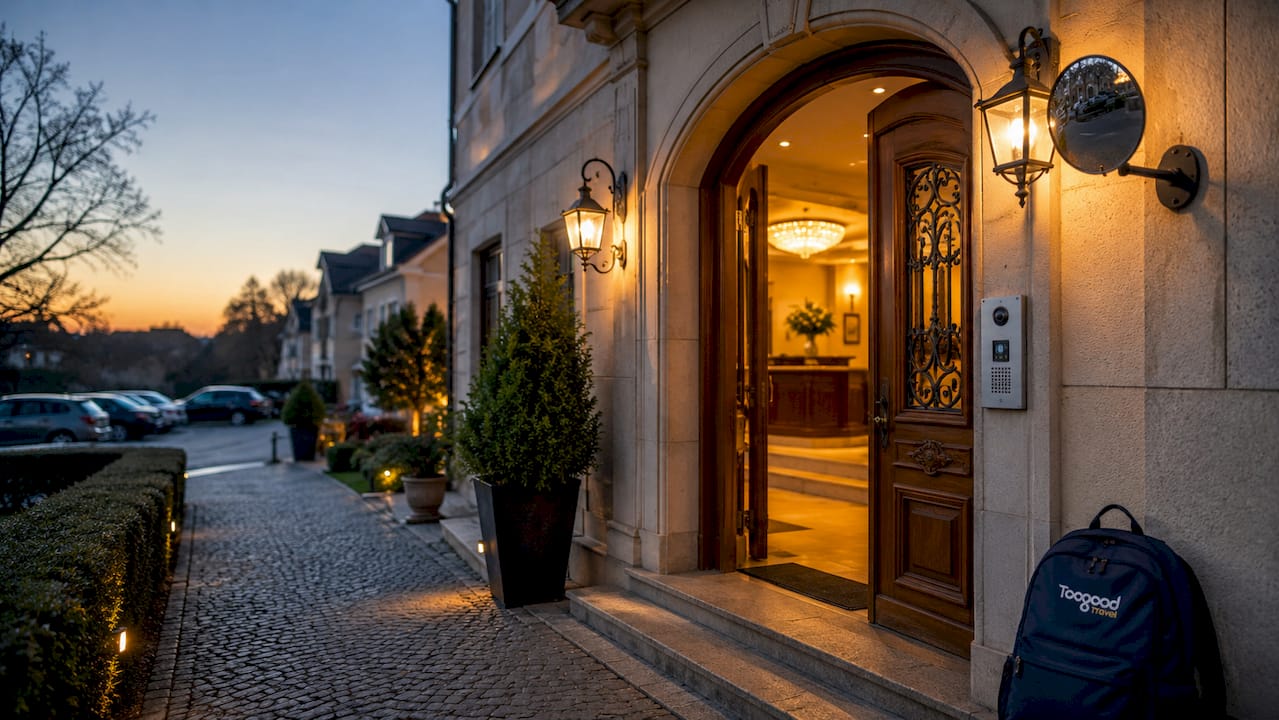
Booking first-night accommodation in a central, well-reviewed location is one of the most effective safety steps you can take. Arriving with a confirmed base removes the pressure of making decisions when you are fatigued and unfamiliar with your surroundings.
| Accommodation feature | Why it matters for solo safety |
|---|---|
| 24/7 reception or secure key access | Ensures you can arrive safely at any hour |
| Central location | Reduces late-night transport risk |
| Strong recent reviews | Reflects current security and staff responsiveness |
| In-room safe or secure lockers | Protects valuables and documents |
| Well-lit entrance and corridors | Deters opportunistic crime |
Balance your stay with a mix of guided group tours and independent exploration. Group activities give you built-in social contact and local knowledge, while solo time lets you move at your own pace. Avoid changing hotels too frequently. Frequent moves increase fatigue and the chance of leaving something behind or arriving somewhere unfamiliar after dark.
For more guidance on selecting accommodation with strong safety measures, Toogood Travel’s first holiday abroad tips cover the key questions to ask before you book.
What practical steps and tools support your safety during the trip?
Once you are on the ground, your daily habits determine your safety far more than any single piece of gear. The following steps are the ones that experienced solo travellers rely on consistently.
- Practise situational awareness. Situational awareness means being present and alert without being paranoid. Walk with purpose, keep your phone in your pocket rather than in your hand, and trust your instincts. If a situation feels wrong, leave it.
- Dress to blend in. Wearing conspicuous jewellery or carrying an expensive camera openly marks you as a target. Research local dress norms before you arrive and pack accordingly.
- Use a slim travel wallet. Carry a slim wallet under your clothing with only the cash and one card you need for that day. Keep a backup card and emergency cash in a separate, secure location.
- Use official transport. Take official taxis from designated ranks or use trusted rideshare apps, particularly at night. Avoid unmarked vehicles, regardless of how persuasive the driver appears.
- Set up a daily check-in. A formal daily check-in with a trusted contact at home creates a safety net. Agree on a specific time and what action your contact should take if they do not hear from you.
- Keep your phone charged. Carry a power bank and consider buying a local SIM card or activating an eSIM for reliable data. A dead phone in an unfamiliar city is a genuine safety risk.
- Know your emergency contacts. Save local emergency numbers and the nearest British embassy contact in your phone before you leave your accommodation each day.
- Pack a basic solo safety kit: a personal alarm or whistle, a small door alarm for shared accommodation, and a portable charger.
- Keep physical document copies in a separate bag from your phone and wallet.
- Avoid sharing your accommodation address or daily plans with people you have just met.
Pro Tip: A small rubber door wedge costs almost nothing and provides a meaningful extra layer of security in budget hotels or hostels. Slip it under the door at night for peace of mind.
Being your own primary safety net makes proactive steps like backups and emergency numbers non-negotiable, not optional extras.
How do you build a flexible itinerary that balances safety with exploration?
A well-structured itinerary is one of the most underrated solo travel safety tools. It gives your days shape without locking you into a rigid schedule that creates stress when things change.
The most effective approach is the 60/40 rule: plan 60% of your days with confirmed activities and leave 40% open for spontaneity. This prevents both aimlessness, which can lead to poor decisions, and over-planning, which causes anxiety when plans shift. A well-structured itinerary also reduces the chance of finding yourself in an unfamiliar area after dark with no clear plan.
Toogood Travel’s guide on how a travel itinerary reduces stress explains the practical benefits of this approach in detail.
- Anchor each day with at least one confirmed activity in a safe, well-known area.
- Build in rest periods. Fatigue reduces alertness and leads to careless decisions.
- Prepare backup accommodation options for your key nights, particularly if you are travelling by train or bus between cities.
- Have a plan for common disruptions: missed trains, delayed flights, or closed attractions.
- Use downloaded offline maps and local tourism apps to update plans safely without relying on public Wi-Fi.
Numbered steps for handling unexpected changes:
- Stay calm and return to your accommodation or a safe public space before making decisions.
- Contact your trusted check-in person to let them know your situation.
- Check your travel insurance policy for cover relevant to the disruption.
- Use pre-saved offline resources to find alternative transport or accommodation.
- Notify your bank if your cards are lost or stolen, using the emergency number saved in your phone.
Avoiding frequent hotel changes is also a practical safety measure. Each move requires navigating an unfamiliar area, often with luggage, and increases the chance of arriving somewhere new after dark. Staying in one base for several nights and taking day trips is often both safer and more enjoyable.
Key takeaways
Safe solo travel abroad requires proactive preparation, informed destination choices, and consistent daily habits that reduce risk without limiting your freedom.
| Point | Details |
|---|---|
| Prepare documents early | Check passport validity, make copies, and download offline maps before departure. |
| Budget an emergency fund | Reserve 10–15% of your total trip cost for unexpected medical or logistical needs. |
| Book your first night centrally | Arriving with a confirmed, well-reviewed base removes pressure and reduces vulnerability. |
| Adopt daily safety habits | Use official transport, set check-in schedules, and practise situational awareness every day. |
| Plan with the 60/40 rule | Schedule 60% of your days and leave 40% flexible to stay safe and reduce stress. |
Solo travel: what I have learned after years on the road
There is a persistent myth that solo travel is inherently dangerous. In my experience, the opposite is often true. Solo travellers who prepare well tend to be more alert, more adaptable, and more attuned to their surroundings than those travelling in groups. The preparation itself builds confidence, and that confidence shows in how you carry yourself.
The travellers I have seen struggle are rarely the ones who faced genuinely dangerous situations. They are the ones who arrived without a plan, without insurance, and without anyone at home who knew where they were. Those are all solvable problems, and solving them costs very little time or money.
One thing I would push back on is the idea that safety and adventure are in tension. They are not. Knowing your emergency contacts, having a backup card, and checking in daily with someone at home does not make your trip smaller. It makes it bigger, because you can take more risks with your itinerary when your foundations are solid.
The destinations that feel most rewarding for solo travellers are often the ones that require the most preparation. Japan rewards those who research transport in advance. Portugal rewards those who book accommodation in Lisbon’s central neighbourhoods rather than the outskirts. Iceland rewards those who check road conditions before hiring a car. Preparation is not the enemy of spontaneity. It is what makes genuine spontaneity possible.
Trust your instincts, build your systems, and go.
— Stuart Toogood
Planning your solo adventure with Toogood Travel
Toogood Travel works with solo travellers who want the freedom of independent exploration backed by expert planning support. Whether you are looking for a city break in Lisbon, a cultural trip through Japan, or something more adventurous, the team can help you identify safe, well-reviewed destinations and accommodation options that suit your style and budget.

Toogood Travel also offers holiday protection options covering travel insurance and trip security, giving you one less thing to worry about before you go. For those who prefer a curated experience, the range of solo-friendly holidays on the site includes destinations chosen for their safety, accessibility, and appeal to independent travellers. Get in touch with the team to start planning a trip that is genuinely worth taking.
FAQ
What documents should I copy before travelling alone?
Copy your passport, travel insurance policy, visa, and bank cards. Store digital copies in a secure cloud folder and keep physical copies separate from the originals.
How much emergency money should a solo traveller carry?
Experts recommend reserving 10–15% of your total trip budget as an untouched emergency fund to cover unexpected medical costs, delays, or accommodation changes.
Is solo travel safe for women?
Solo travel is safe for women when approached with the same proactive preparation as any solo trip. Researching destination-specific safety advice, choosing centrally located accommodation, and setting up daily check-ins with a trusted contact are the most effective protective steps.
What should I do if something goes wrong abroad?
Return to a safe public space or your accommodation, contact your trusted check-in person, and check your travel insurance policy for relevant cover. Save your insurer’s emergency number and the nearest British embassy contact in your phone before you travel.
Which destinations are considered safest for solo travellers?
Japan, Portugal, Iceland, Singapore, and New Zealand are consistently rated among the safest destinations for solo travellers, offering low crime rates, reliable public transport, and easy navigation for English speakers.