
TL;DR:
- Tokyo offers a mix of ancient temples, modern districts, and vibrant markets that showcase its unique cultural contrasts. Key sights include Senso-ji Temple, Shibuya Crossing, Meiji Shrine, and teamLab Borderless, which provide diverse experiences from history to digital art. Proper planning, such as booking tickets early and understanding transit routes, enhances the visit and ensures exploration of the city’s varied neighborhoods.
Tokyo is one of those cities that rewards every type of traveller, whether you’re drawn to ancient temples, world-class art, electric street fashion, or the kind of food scene that genuinely has no equal. Here’s a quick overview of the must-see places to put on your list before you go:
- Senso-ji Temple, Asakusa — Tokyo’s oldest and most atmospheric temple
- ⛩️ Meiji Shrine — a forested sanctuary in the heart of the city, free to enter
- Shibuya Crossing — the world’s most photographed pedestrian crossing
- Tokyo Skytree — a 634-metre tower with extraordinary city views
- teamLab Borderless — large-scale immersive digital art, unlike anything else
- Shinjuku Gyoen National Garden — cherry blossoms, manicured lawns, and calm
- Tsukiji Outer Market — fresh sushi and grilled seafood from dawn
- ️ Tokyo National Museum, Ueno — Japan’s largest collection of art and artefacts
- ️ Harajuku — youth fashion, street food, and Takeshita Street’s vibrant energy
- Akihabara — electronics, anime, and otaku culture in one dazzling district
- Imperial Palace and East Gardens — historic grounds at the city’s calm centre
- ️ Nezu Museum — refined Japanese art set around a beautiful curated garden
- Ueno Park — museums, a zoo, a boating pond, and seasonal colour all in one place
- ️ Ginza — Tokyo’s most elegant shopping district, from flagship stores to tiny bistros
- Odaiba — waterfront entertainment, bay views, and the Miraikan science museum
Historic and spiritual sites you shouldn’t miss
Tokyo’s spiritual and historical attractions carry a weight that surprises many first-time visitors. The city’s ancient temples and imperial grounds sit right alongside skyscrapers, and that contrast is part of what makes them so compelling.
Senso-ji Temple in Asakusa is the natural starting point. Tokyo’s oldest temple draws visitors through the iconic Kaminarimon gate, along Nakamise-dori — a traditional shopping street lined with snacks, fans, and lacquerware — and into the main hall. Arriving before 8am makes a real difference to the experience; the crowds that build from mid-morning transform the atmosphere entirely. The surrounding Asakusa district is Tokyo’s most historically layered neighbourhood, and it’s worth spending at least a morning here rather than rushing through.
Meiji Shrine offers something quite different. Dedicated to Emperor Meiji and Empress Shoken, the shrine sits within 70 hectares of dense cedar forest in the middle of the city. Entry is free, and within a minute of passing through the torii gate, the noise of Tokyo drops away completely. Most visitors budget 30–40 minutes, though the forested path alone is worth the trip. Yoyogi Park sits directly adjacent, making it easy to combine both in a single morning.
The Imperial Palace and East Gardens provide another layer of history. You can’t enter the palace itself, but the East Gardens are open to the public and contain remnants of the original Edo castle. The broad moat, stone walls, and wooden bridges give a genuine sense of the scale of what once stood here. It pairs well with the nearby Ginza district for an afternoon of contrasts.
- Nezu Museum in Minami-Aoyama holds a respected collection of Japanese and East Asian art, but the real draw for many visitors is the curated garden behind it, designed by architect Kengo Kuma. Most tourists walk straight past it.
- Nakamise-dori, the shopping approach to Senso-ji, is one of Tokyo’s oldest market streets and a good place to pick up traditional souvenirs without venturing far from the temple.
Pro Tip: Visit Senso-ji on a weekday rather than a weekend if your schedule allows. Weekend mornings fill quickly, and the spiritual atmosphere is far easier to appreciate in relative quiet.
Modern Tokyo: districts, art, and urban energy
Tokyo’s contemporary side is just as compelling as its historic one, and the city’s modern districts each carry a personality you won’t find anywhere else on earth.
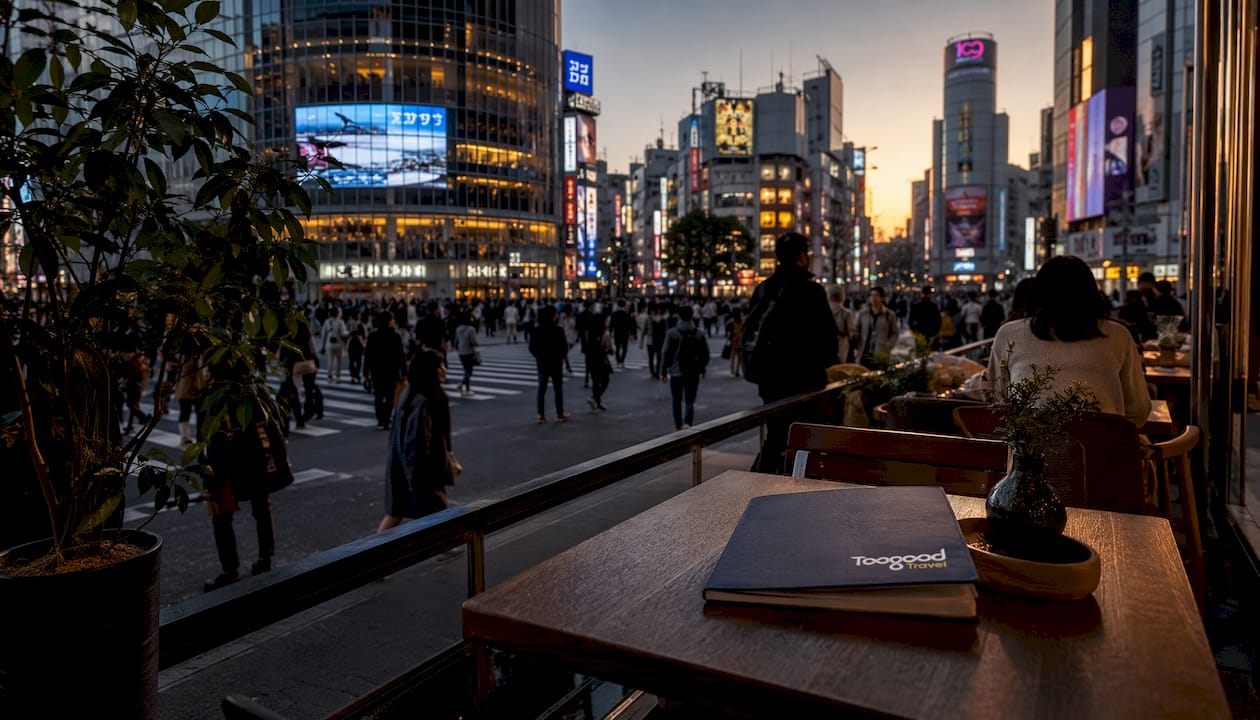
Shibuya is pure spectacle. The Shibuya Scramble Crossing is one of the busiest pedestrian crossings in the world, and watching it from the elevated walkways around Shibuya Station gives a cleaner view than street level. Shibuya Sky, the open-air rooftop platform on top of Shibuya Scramble Square, costs around £14 pre-booked and offers a genuinely different experience from the enclosed observation decks elsewhere in the city.
Harajuku sits a short walk from Shibuya and feels like a different world. Takeshita Street is wall-to-wall youth fashion, crêpe stalls, and colour. Omotesando, running parallel, is the polished counterpart: wide tree-lined boulevards, flagship architecture, and upscale boutiques. The contrast between the two streets, separated by barely five minutes on foot, is one of Tokyo’s great small pleasures.
TeamLab Borderless is consistently listed among Tokyo’s standout experiences, and it earns that reputation. The immersive room-scale digital art installations are unlike anything comparable in the city. Tickets cost from £16–19 and sell out weeks in advance, so booking before you leave the UK is strongly advised. TeamLab Planets in Toyosu offers a similarly immersive experience with a different set of installations.
Akihabara is Tokyo’s electronics and anime district, and it’s worth visiting even if you have no particular interest in either. The density of neon signs, multi-storey game centres, and specialist shops selling everything from vintage manga to high-end audio equipment creates an atmosphere that’s genuinely unique. It sits conveniently close to Ueno, making it easy to pair the two in a single day.
Roppongi Hills and the Mori Tower observation deck offer a more polished evening option. The Tokyo City View from Mori Tower gives broad panoramic views across the city, and the surrounding Roppongi Hills complex mixes galleries, restaurants, and retail in a way that feels more curated than many of Tokyo’s entertainment hubs.
- Shinjuku spans more ground than most guides suggest. The Tokyo Metropolitan Government Building observation deck is free of charge and provides 45th-floor views across the city skyline. Golden Gai, a short walk south, clusters dozens of tiny bars into a few narrow alleyways and is one of the most atmospheric places in the city for an evening drink.
- Odaiba sits on a man-made island in Tokyo Bay and offers waterfront views, the Rainbow Bridge, and the Miraikan science museum, which is particularly good for families.
Pro Tip: Book TeamLab Borderless tickets the moment your travel dates are confirmed. It regularly sells out a month or more ahead, and there’s no reliable walk-in option.
Parks, gardens, and museums worth your time
Tokyo’s green spaces and museums are often underestimated on a first visit, but they provide some of the most rewarding hours in the city.
Shinjuku Gyoen National Garden is the pick of Tokyo’s parks. Entry costs around £1.50, which makes it one of the best-value tickets in the city. During cherry blossom season it’s extraordinary, but the formal French and English garden sections make it worth visiting at any time of year. It’s a genuine escape from the pace of Shinjuku, which surrounds it.
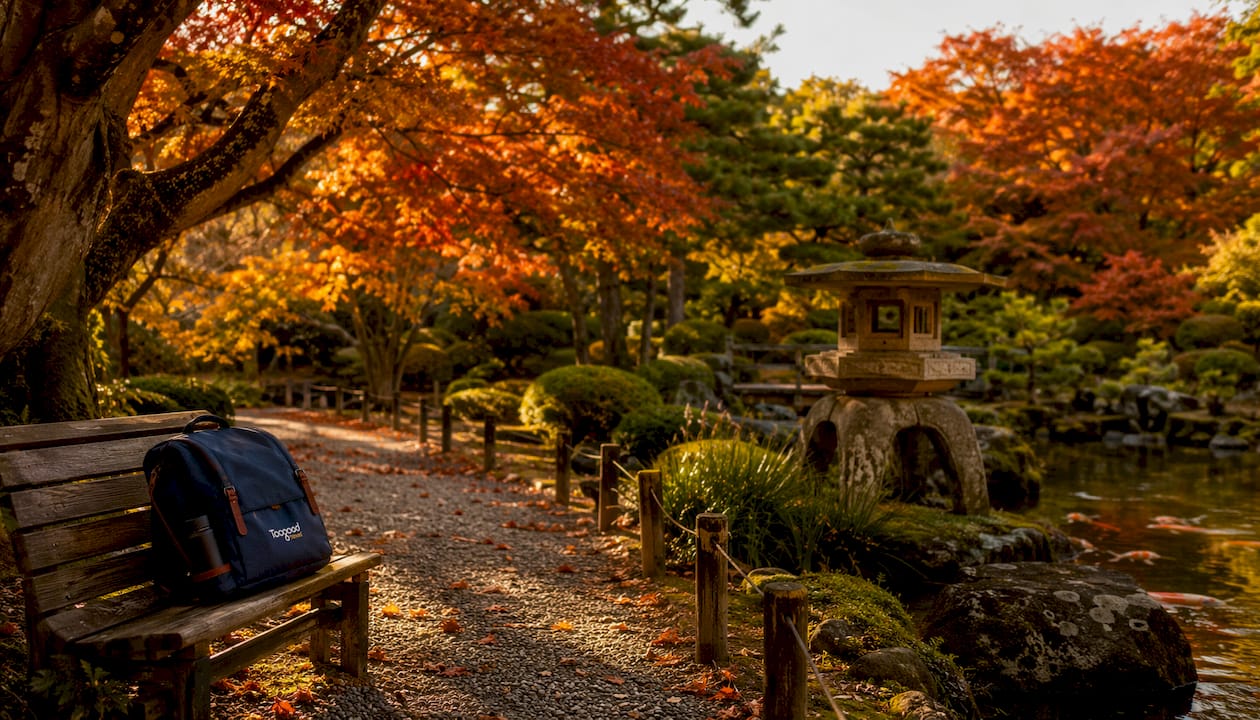
Ueno Park is Tokyo’s most versatile green space. Within its boundaries you’ll find the Tokyo National Museum, Japan’s largest collection of art and artefacts, alongside the National Museum of Nature and Science, Ueno Zoo, a large boating pond, and a shrine with a pagoda. A single afternoon here can take in museums, wildlife, and a stroll around the pond without feeling rushed. The Ameyoko market street runs along the park’s western edge and adds a lively, market-town energy to the mix.
Hamarikyu Gardens and Rikugien are quieter alternatives that most visitors skip entirely. Hamarikyu sits at the mouth of the Sumida River and combines tidal ponds with a traditional teahouse. Rikugien, in the north of the city, is one of Tokyo’s finest Edo-period strolling gardens and is particularly beautiful during autumn leaf season.
- Nezu Museum in Aoyama pairs a serious collection of Japanese and East Asian art with a garden that most visitors miss. The café, designed by Kengo Kuma, overlooks the garden and is a genuinely lovely place to pause.
- Yoyogi Park, adjacent to Meiji Shrine, is one of the city’s largest free green spaces. On a Sunday morning it fills with dog walkers, picnickers, and the occasional impromptu drumming circle.
Pro Tip: If you’re visiting Ueno, buy a combination ticket for the Tokyo National Museum and the National Museum of Nature and Science. It saves money and the two museums complement each other well, covering Japanese art history and natural science in a single visit.
Markets and food experiences that define Tokyo
Food is central to any Tokyo visit, and the city’s markets and food halls offer some of the most memorable experiences you’ll have. Focusing only on sightseeing and skipping the culinary side is one of the most common mistakes visitors make.
Tsukiji Outer Market is the place to start. The inner wholesale market relocated years ago, but the outer lanes continue independently, with fresh seafood stalls running from around 5am. Fresh sushi, grilled scallops, and tamago-yaki sellers are in full swing from dawn, and walking through costs nothing unless you buy food, which becomes increasingly difficult to resist once the grilled scallop stalls come into view. It’s a short trip from Ginza and works perfectly as an early morning start before the rest of the city wakes up.
Toyosu Market is the relocated wholesale market and now offers a visitor experience of its own. Tuna auctions can be observed from viewing galleries, and the surrounding Toyosu and Odaiba area makes it a natural pairing with a waterfront afternoon.
Tokyo’s depachika — the basement food halls found in major department stores — deserve a dedicated visit. Isetan in Shinjuku and Mitsukoshi in Ginza are among the finest, offering everything from regional Japanese sweets and artisan pickles to premium bento boxes and fresh wagashi. They’re a genuine window into Japanese food culture and far more interesting than a standard supermarket.
- Izakayas are Japan’s answer to the pub, serving small shared dishes alongside beer and sake. An evening at a good izakaya, particularly in areas like Yurakucho or Shimokitazawa, is one of the most authentic Tokyo experiences available.
- Seasonal sweets are worth seeking out in neighbourhood bakeries and confectionery shops. Autumn brings chestnut and pumpkin flavours; spring brings sakura-infused wagashi.
Pro Tip: Tsukiji Outer Market is best visited on weekday mornings. Weekend crowds are considerably heavier, and some of the smaller specialist stalls close earlier or don’t open at all.
Planning your Tokyo visit: practical advice for UK travellers
Getting the structure of your Tokyo trip right makes an enormous difference to how much you enjoy it. A well-planned itinerary prevents the exhaustion that catches out so many first-time visitors to the city.
The most effective approach is what experienced Tokyo travellers call “anchor and contrast”: pairing traditional Asakusa in the morning with modern Ginza or Akihabara in the afternoon, for example, keeps the day varied without requiring you to cross the city repeatedly. Clustering visits to geographically close districts prevents exhaustion and leaves room for the spontaneous discoveries that often become the highlight of a trip.
Starting your first day in a lower-intensity area is strongly recommended. Asakusa or Ueno are ideal for day one: they’re manageable, historically rich, and give you a gentle introduction to Tokyo’s scale before you tackle Shinjuku or Shibuya. Jet lag is real, and arriving in Shinjuku on your first evening is a reliable way to feel overwhelmed rather than excited.
Tokyo’s major train stations can add unexpected time to your day if you use the wrong exit. Wrong exits at Shinjuku or Shibuya can add 10–20 minutes of extra walking. Identifying the correct exit or a nearby landmark before you reach the platform is a small habit that saves a surprising amount of time and energy across a week. The role of buffer days in any Tokyo itinerary is also worth considering: leaving one day flexible allows you to revisit a favourite neighbourhood or explore somewhere you hadn’t planned.
Public Wi-Fi in Tokyo is often unreliable. Purchasing an eSIM before departure for 5G data access ensures smooth real-time navigation throughout your stay, which matters more in Tokyo than in almost any other city given the complexity of its transit network.
- Pre-book tickets for TeamLab Borderless and Shibuya Sky before you leave the UK. Both sell out well in advance.
- Five to seven days covers the main neighbourhoods without feeling rushed and leaves room for quieter districts like Yanaka and Shimokitazawa.
- The Tokyo Metropolitan Government Building observation deck in Shinjuku is free and worth visiting early in your trip to get a sense of the city’s scale.
Pro Tip: Download the Google Maps Tokyo transit layer and the Suica card app before you fly. A Suica card covers almost every train, metro, and bus in the city and removes the need to buy individual tickets at machines.
Tokyo’s best neighbourhoods to explore
Each of Tokyo’s districts has a personality distinct enough to justify a full day, and understanding what each one offers helps you build a trip that feels genuinely varied rather than repetitive.
Asakusa is the city’s most traditional neighbourhood, built around Senso-ji Temple and lined with rickshaw pullers, kimono rental shops, and craft stalls. It’s the classic first-day destination for good reason: the pace is gentler, the streets are walkable, and Tokyo Skytree is visible from the riverside just minutes away.
Shibuya and Harajuku together represent modern Tokyo at its most energetic. Shibuya is trend-driven shopping, cafés, and nightlife; Harajuku adds fashion, youth culture, and easy access to Meiji Shrine. The two sit close enough to cover in a single day, and the contrast between them keeps the experience from feeling monotonous.
Shinjuku is the city’s busiest transport hub and one of its most layered districts. The east side offers Kabukicho’s neon-lit entertainment streets and the atmospheric Golden Gai bar alleyways. The west side is all glass towers and corporate energy, with the free observation deck of the Tokyo Metropolitan Government Building rising above it all.
Ginza feels polished and unhurried by Tokyo standards. The main street carries flagship stores from Prada to Uniqlo, while the backstreets hide traditional restaurants, small galleries, and kimono shops. It pairs naturally with a morning at Tsukiji Outer Market and an afternoon at the Imperial Palace East Gardens.
Akihabara and Ueno sit close together and make a natural pairing. Akihabara’s multi-storey electronics and anime shops give way to Ueno’s museums, park, and market street within a short walk. It’s one of the most varied single-day combinations in the city.
Yanaka, Shimokitazawa, and Nakameguro sit largely off the standard tourist circuit and are where Tokyo gets genuinely interesting for visitors with more than four or five days. Yanaka preserves low wooden buildings and narrow lanes from the Edo period. Shimokitazawa is centred on live music venues, vinyl record shops, and inexpensive izakayas. Nakameguro is best known for its canal-side cafés and independent boutiques, particularly atmospheric during cherry blossom season.
Odaiba offers a completely different pace: waterfront walks, bay views over the Rainbow Bridge, the Miraikan science museum, and TeamLab Planets all sit on or near this man-made island. It’s a strong choice for families or for an afternoon that feels removed from the city’s intensity.
Plan your Tokyo trip with Toogood Travel
Tokyo is a city that genuinely rewards good planning, and getting the details right before you fly makes all the difference. At Toogood Travel, we specialise in building bespoke itineraries that balance the iconic with the unexpected, so you see the best of the city without spending half your trip on the wrong side of a train station.

Whether you’re planning a city break, a multi-centre Japan trip combining Tokyo with Kyoto and Osaka, or a longer adventure across Asia, we’d love to help you put it together. Explore your next adventure with Toogood Travel and let us take care of the details.
Key takeaways
Tokyo’s top attractions span ancient temples, world-class museums, immersive digital art, and vibrant food markets, and the key to enjoying them is pairing contrasting neighbourhoods rather than trying to cover too much ground in a single day.
| Point | Details |
|---|---|
| Start in Asakusa or Ueno | First-day visits to lower-intensity districts ease jet lag and provide a manageable introduction to the city. |
| Book TeamLab Borderless early | Tickets cost from £16–19 and sell out weeks in advance; book before you leave the UK. |
| Use the anchor-and-contrast method | Pair a traditional morning (Senso-ji, Meiji Shrine) with a modern afternoon (Akihabara, Shibuya) to keep energy levels balanced. |
| Check station exits in advance | Wrong exits at Shinjuku or Shibuya can add 10–20 minutes of walking; identify the correct exit before reaching the platform. |
| Buy an eSIM before departure | Public Wi-Fi in Tokyo is unreliable; 5G mobile data keeps navigation smooth throughout your stay. |
FAQ
What are the top five tourist attractions in Tokyo?
Senso-ji Temple in Asakusa, the Shibuya Scramble Crossing, Meiji Shrine, Tokyo Skytree, and teamLab Borderless are consistently cited as the city’s standout experiences, covering traditional, urban, and contemporary culture in a single list.
What shouldn’t I miss on a first visit to Tokyo?
Arriving early at Senso-ji before the crowds build, watching the Shibuya Scramble Crossing from the elevated walkways, and booking teamLab Borderless in advance are the three experiences most likely to define your first trip.
What is the most visited place in Tokyo?
Shibuya is among the most visited areas for foreign tourists, with the Scramble Crossing drawing visitors from across the world. Asakusa and its Senso-ji Temple are also consistently among the city’s most popular destinations.
Is four days in Tokyo enough?
Four days covers the headline attractions, including Senso-ji, Shibuya, Meiji Shrine, and a teamLab visit, but five to seven days allows you to explore quieter districts like Yanaka and Shimokitazawa without feeling rushed.
